SIGNAL
047

There was a time when getting lost was unavoidable. Is it optional now?
We’ve been wondering what those changes are and what they might quietly take away.
From the studio,
Nastassja & Christian
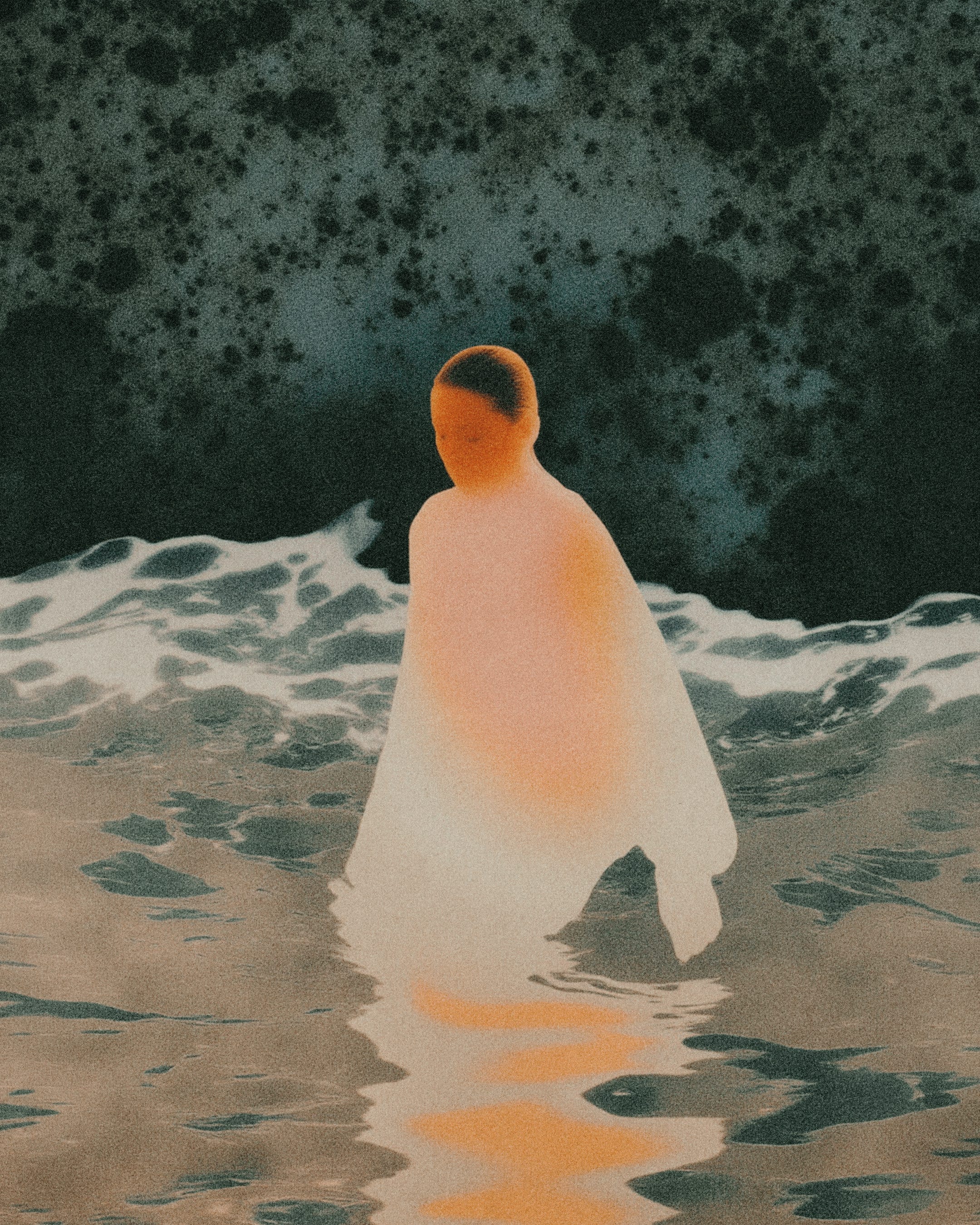
GET LOST
There was a time when not knowing the way somewhere was part of the experience.
You looked up an address, missed a turn, walked a few blocks too far. Maybe you ended up in a side street you hadn’t planned to enter. And sometimes that’s where you found something — a small shop, a café, a gallery — that you hadn’t been looking for at all, but that stayed with you much longer than the original destination.
Getting lost wasn’t efficient. But it was productive in a different way.
Now most of us move through systems designed to prevent exactly that. Maps reroute us instantly. Feeds anticipate what we might want to see. AI tools respond in tones that feel strangely aligned with how we think. The friction that once slowed us down is gradually disappearing.
The more we use these systems, the more precise they become. They learn preferences, patterns, phrasing. They get better at offering what fits. The suggestions feel relevant. The answers feel usable. We move faster, with fewer wrong turns.
It’s hard to argue against that.
But something subtle shifts when the improbable stops surfacing. Not because it’s banned or censored — simply because it doesn’t statistically match who we appear to be. If a system becomes very good at predicting what we’ll respond to, it will inevitably narrow the field of what reaches us.
Over time, deviation becomes less likely.
And the risk isn’t dramatic. It’s not that AI suddenly replaces judgment or imposes ideology. It’s quieter than that. If a system understands how we argue, what tone reassures us, what ideas we tend to agree with, it may start reinforcing those patterns without us noticing. It may gently guide us toward the familiar because the familiar performs better.
Everything continues to work. That’s the point.
But getting lost once had a function. It interrupted direction. It exposed us to things we didn’t know to search for. It forced adjustments. Sometimes it even changed taste.
If unpredictability becomes optional rather than unavoidable, then exposure becomes selective. Surprise becomes something we have to actively allow.
Maybe that’s where we are now. Not in a world controlled by machines, but in a world increasingly optimized for coherence.
Which means the responsibility shifts back to us.
Take the longer route. Click the unfamiliar result. Follow something that doesn’t immediately confirm you.
Get lost.
PUBLISHED
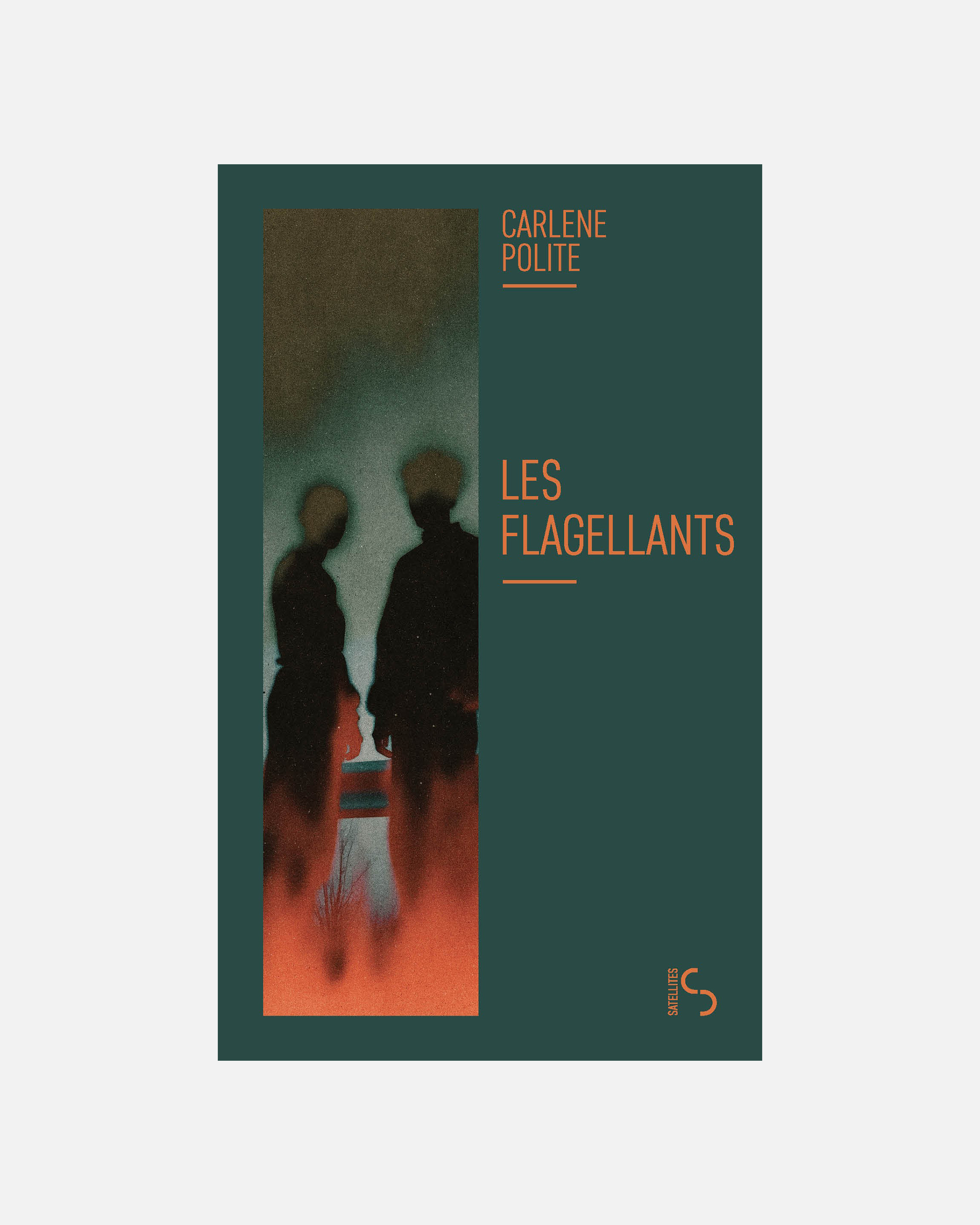
One of our works appears on the cover of the French edition of Les Flagellants by Carlene Polite.
Two figures, blurred. Suspended somewhere between heat and distance.
MUSIC
▶ PLAYA — A$AP Rocky
▶ The Rolling Stones — Cameron Winter
▶ Comin Home — Jespfur, Paula
▶ Rosary — Don Toliver
▶ either on or off the drugs — JPEGMAFIA
Listen to our playlist on Spotify
FOUND
🔗 Decaf Matcha — 6 pm. Whatever.
🔗 Doric Lamp 01 — sculptural glass.
🔗 SKLYRK — HB Hooded Leather Jacket.
🔗 Wonderwood — smell like Pharrell.
🔗 Chess and Checkers Set — Bottega Veneta.
SIGNAL is our studio’s newsletter — if it resonates, share it with a friend.