SIGNAL
053

People said it looked like “typical AI slop.”
It was a Monet.
THE MONET TEST
Last week, artist and musician SHL0MS posted a Monet painting on X and claimed it was AI-generated.
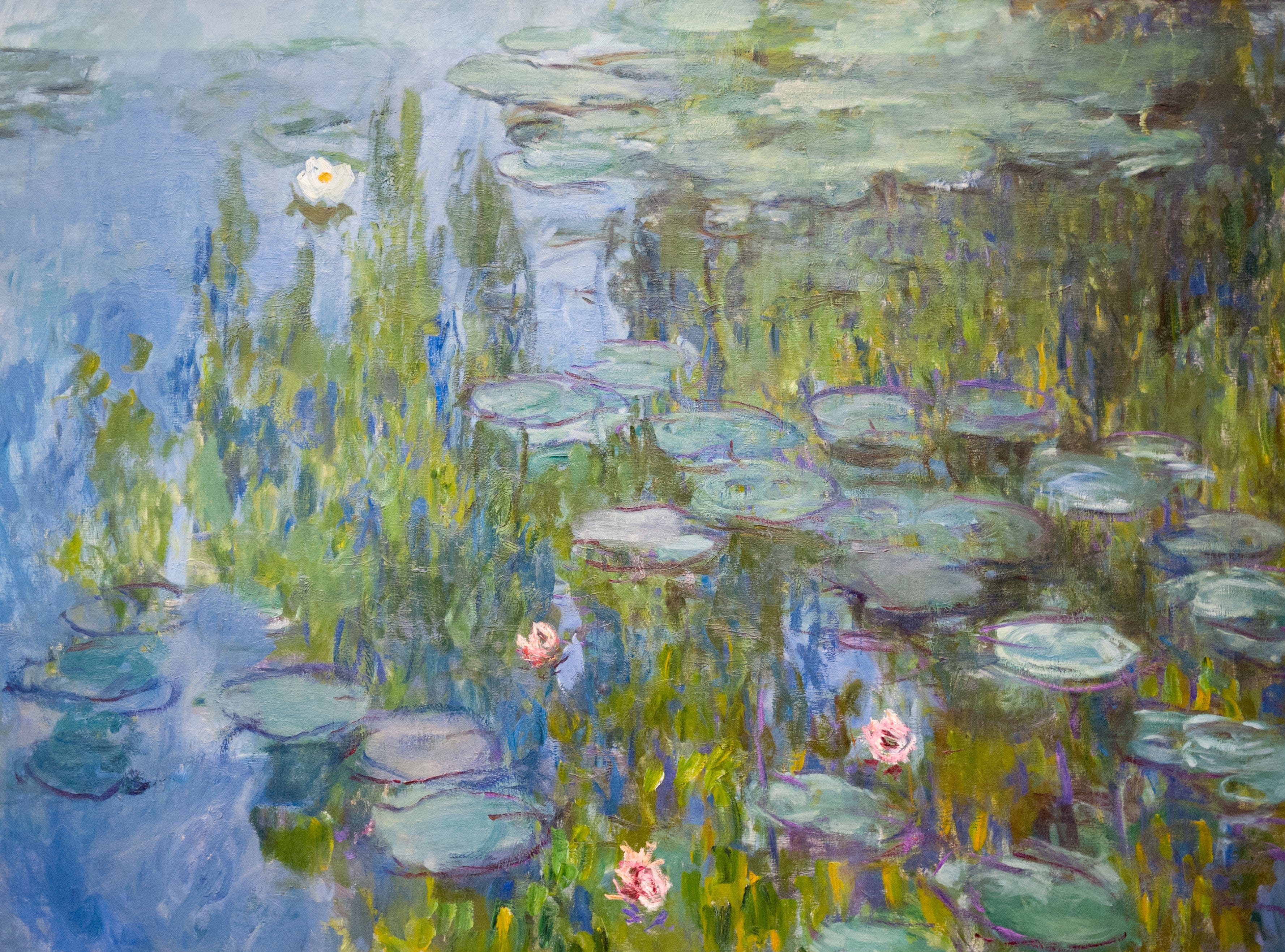
Then he asked people to explain, in as much detail as possible, why the image was inferior to a real Monet painting.
People went in immediately.
“The reflections make no sense.”
“No cohesion.”
“No human intention.”
“Typical AI look.”
“Soulless.”
“Bad composition.”
Long threads.
Pseudo-forensic analysis.
Absolute certainty.
Except it was an actual Monet.
Not AI.
Not Midjourney.
Not Flux.
Claude Monet.
And suddenly the entire thing became less about painting and more about projection.
People weren’t really looking anymore.
They were reading the label first.
“Made with AI.”
That alone was enough.
The funniest part is that some critiques were actually thoughtful.
People wrote entire essays about why the image lacked “human touch” while describing characteristics Monet literally painted himself.
Others deleted their posts afterward.
Others doubled down anyway.
The whole thread slowly turned into a graveyard of removed replies.
Internet archaeology.
Maybe the post revealed something bigger than AI itself:
A lot of people already decided what they think before they even start looking.
REGISTERED®
Honestly, everyone will probably be able to generate everyone else’s style soon.
Including ours.
That’s simply where this is heading.
Aesthetics are becoming reproducible.
Visual languages spread instantly.
Images mutate faster than authorship can keep up.
A style can already be copied.
But style was never the interesting part on its own anyway.
What actually matters is taste.
Direction.
Selection.
Consistency over time.
The decisions behind the image.
Because AI can imitate aesthetics surprisingly well.
But it still can’t replicate a real point of view.
It can’t replicate obsession.
Or years of visual decision-making.
Or knowing what to keep, what to remove, what to reject completely.
That’s probably why we officially registered SERIFA as a trademark in Europe and the US.
Not to “protect a style.”
You can’t really protect a style anyway.
It’s more about protecting the continuity around the work.
The identity.
The authorship.
The long-term vision people connect to over time.
Because people ultimately don’t build emotional connections with isolated images.
They connect to perspective.
To trust.
To a recognizable voice inside an infinite stream of content.
The internet is filling up with images faster than ever.
Which strangely makes intention feel more valuable, not less.
The future probably won’t belong to the people with access to the best tools.
It’ll belong to the people with the clearest point of view.
From the studio,
Nastassja & Christian
SIGNAL is our studio’s newsletter — if it resonates, share it with a friend.