SIGNAL
056

No one starts from nothing.
The honest ones just say so.
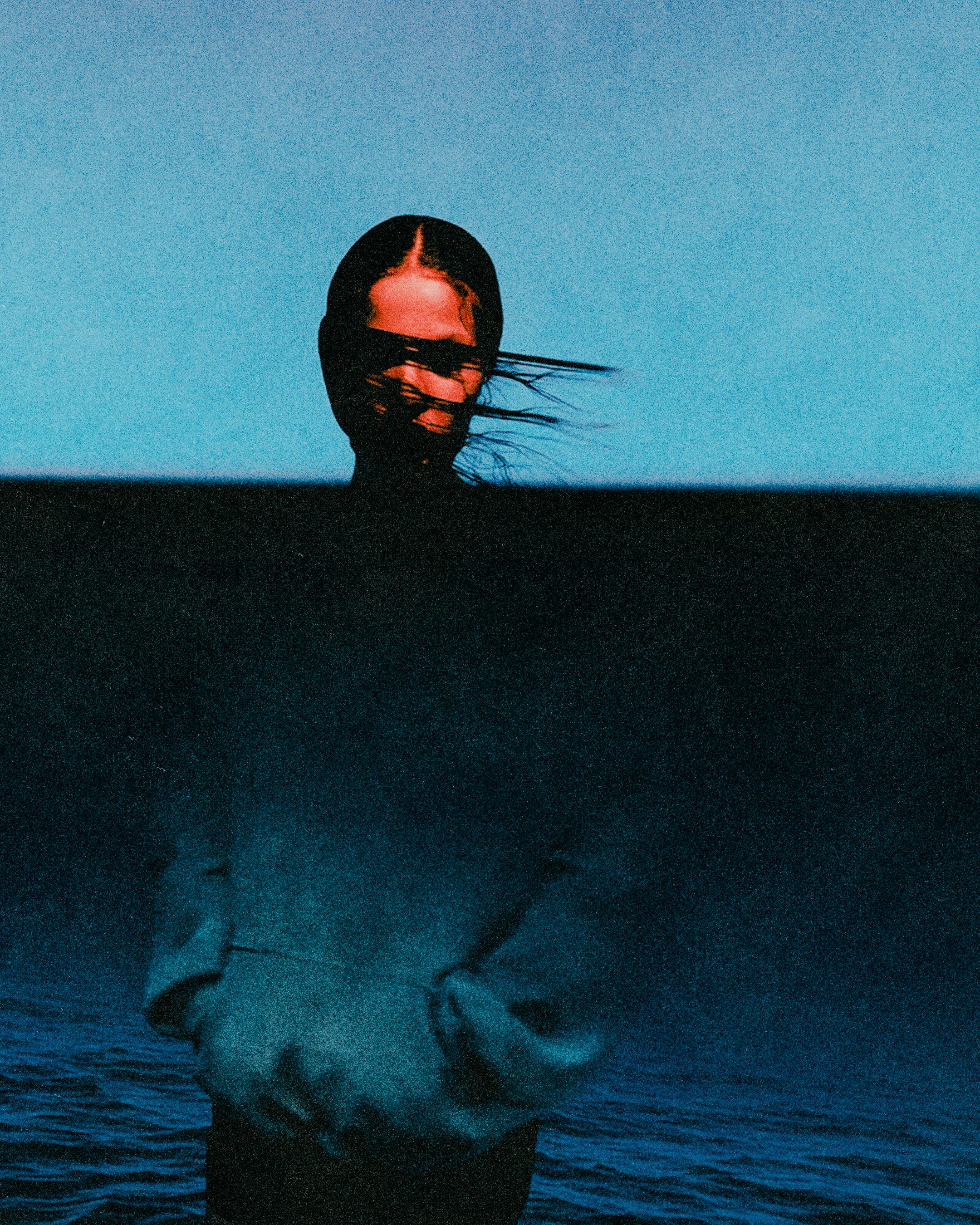
References
There’s a question every artist learns to fear a little.
Where did that come from?
For a long time, it sounds like an accusation. As if the only acceptable answer were nowhere. As if the work would lose value the moment you admitted it was pointing at something else.
But the people whose work we love most never seem troubled by that question. They answer it openly. Sometimes they answer it before anyone asks.
The Ones Who Say So
Jim Jarmusch once said you should take from anything that genuinely speaks to you, and not pretend otherwise. What makes the work yours is not where it started. It is what you do with it.
David Bowie called himself, only half joking, a thief with good taste.
Virgil Abloh built a whole practice on the idea that you can change something that already exists by a small amount and make it new, and he was completely open about the objects he was changing.
None of them hid their influences. They pointed at them. The reference was not a secret. It was part of the work.
A Room Full of References
Recently we stood inside a literal version of this idea.
vowels, the made in Japan label by Yuki Yagi, runs a store on the Bowery in New York with a research library at its centre. A selection from Yagi's own archive of around two thousand books and magazines sits openly in the room. They are organised by the letters a, e, i, o, u. You are meant to take them off the shelf and hold them. The brand follows the Japanese principle of Shu Ha Ri: first you learn the rules, then you break them, then you leave them behind.
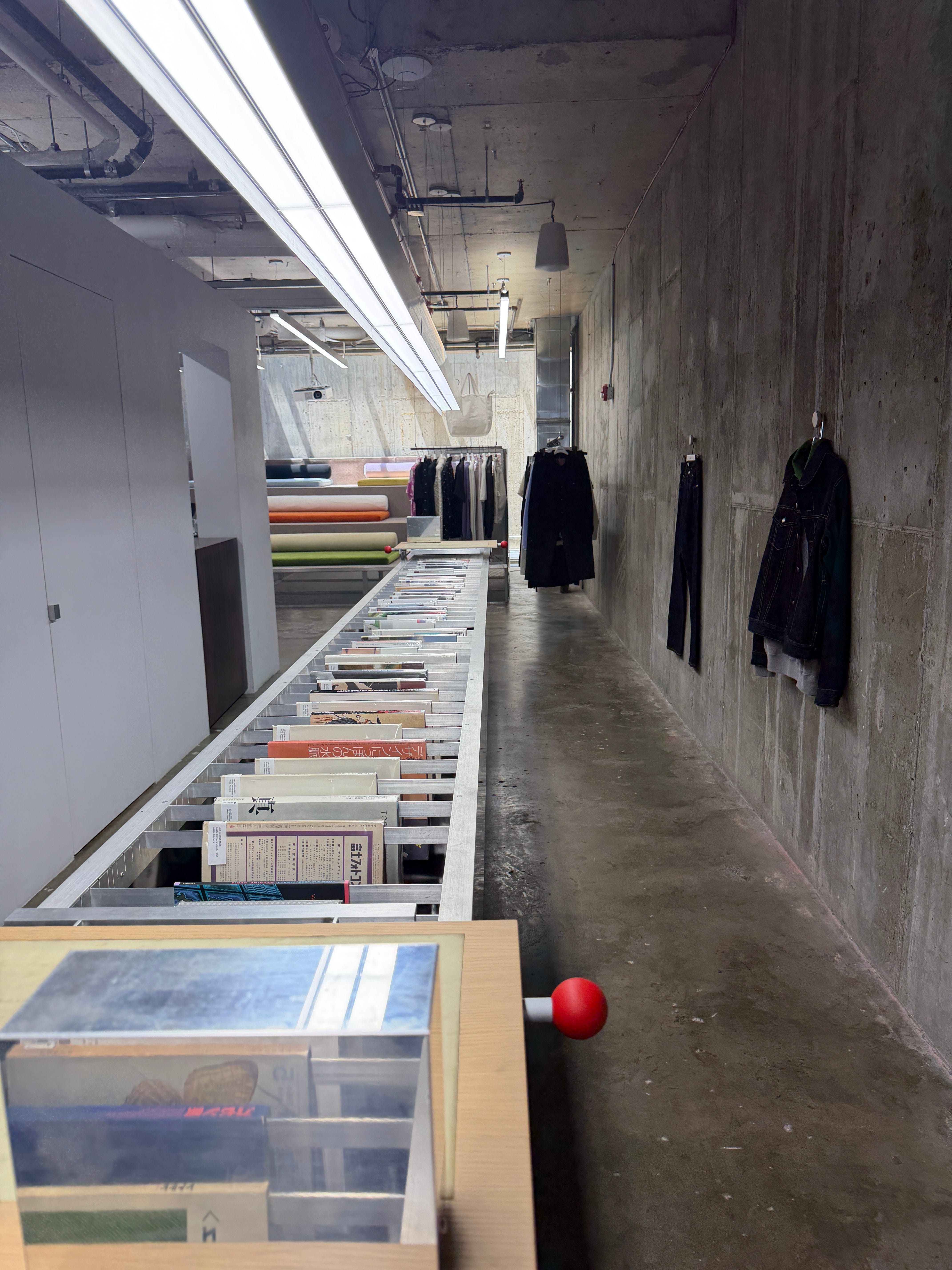
What stayed with us was how unhidden it all was. The references were not buried somewhere behind the clothes. They were the room. The shelf was the statement.
Most studios keep that shelf out of sight. vowels turned it into the front door.
Where Ours Come From
Last time we wrote about the images we have collected over the years, the ones that stay with you for reasons you cannot quite name.
Those images are our references. But they are not the only ones.
The music we play while we work. Japanese culture. The nineties. The brands and image worlds we grew up with. These are the things we have absorbed, the air the work is made in. One part of it is already out in the open, a playlist we call LIBRARY.
Lately we have been thinking about showing more. Not a list of credits, but the things we actually look at, read, and keep returning to. A way of letting you into the room the work is made in.
So we want to ask you. Would you want to see more of our references here? If enough of you are curious, we will make it Part II of this issue, and show you the rest of what we keep.
From the studio,
Nastassja & Christian
SIGNAL is our studio’s newsletter. If it resonates, share it with a friend.